
Autism awareness has come a long way. For decades, parents, advocates, and organizations have fought tirelessly to ensure autistic individuals receive the recognition, support, and accommodations they deserve. Through rigorous advocacy, education, and collaboration with professionals, we have pushed for policy changes, inclusive education, and increased research into autism. However, in the age of social media, a troubling shift has emerged—autism is being glamorised. While the rise in discussions surrounding autism can be seen as progress, not all advocacy is helpful. Misinformation, self-diagnoses, and a growing culture of “performative neurodiversity” risk undermining the very real struggles autistic individuals and their families face.
Social Media: A Platform for Advocacy or Misinformation?
There is no harm in people sharing their thoughts—after all, freedom of speech is a right. Social media has given a voice to autistic individuals who may have struggled to be heard in traditional spaces. It has also allowed parents, educators, and allies to share valuable insights and experiences. However, as autism becomes more trendy to talk about, we are now seeing an influx of self-proclaimed “advocates”, some of whom have no formal diagnosis, lived experience, or expert knowledge. The problem is not advocacy itself, but rather the misleading or overly simplified narratives that some influencers present. Autism is not just quirky behaviour, a trend, or an aesthetic—it is a complex neurodevelopmental condition that affects individuals in unique ways.
The Risks of Glamorising Autism
While greater visibility can reduce stigma, the romanticisation of autism on social media creates new problems:
- Misrepresentation and Oversimplification
Many influencers portray autism as a one-size-fits-all condition, often focusing on high-functioning traits such as intelligence, hyperfixation, and creativity. While these traits exist, they do not represent every autistic person’s experience. Many individuals struggle with sensory overload, communication barriers, co-occurring conditions, and daily living challenges—realities that are often overlooked in the glamourised version of autism.
- The Rise of Unverified Self-Diagnoses
Self-diagnosis has become increasingly common, with many individuals claiming to be autistic based on online checklists or anecdotal experiences. While self-exploration is valid, autism is a complex spectrum disorder that requires professional assessment to distinguish it from other conditions such as ADHD, anxiety, or trauma-related behaviours. When self-diagnosis becomes widespread without proper guidance, it risks diluting the legitimacy of actual autistic experiences and the urgent need for support services.
- The Undermining of Professional and Community Advocacy
Autism awareness has been built through decades of hard work by researchers, medical professionals, educators, and community groups. Many social media figures dismiss or ignore this research in favour of personal anecdotes or unverified claims. This makes it difficult for parents and newly diagnosed individuals to access accurate, evidence-based support.
- The Rise of Isolated Parent Groups
Another emerging concern is the formation of parent-led groups that operate in isolation rather than engaging with established autism advocacy organizations. Many of these groups focus on social gatherings—such as tea parties, dance clubs, or casual discussions—under the banner of autism advocacy. While there is absolutely nothing wrong with parents seeking a social outlet, this should not be confused with meaningful advocacy. Real impact comes from collaborating with charities, community groups, and grassroots organizations that are actively working on policy changes, education reform, employment inclusion, and access to services. Isolated groups that fail to engage with the wider autism community risk reinforcing misinformation, limiting support, and missing opportunities for real change. If these groups plugged into existing networks and worked alongside charities, professionals, and community-led organizations, the results would be far more impactful and beneficial for autistic individuals and their families.
- Tokenism and Performative Advocacy
As autism becomes more visible, some brands and influencers use it as a marketing tool rather than a cause for real change. We see companies profiting off neurodiversity-themed merchandise while failing to employ or accommodate autistic individuals in their workplaces. Performative activism does not benefit the community—it only commodifies the struggles of autistic people.
Where Do We Draw the Line?
It is important to acknowledge that everyone has the right to express themselves and share their experiences. The issue is not about silencing voices—it is about ensuring those voices are responsible, accurate, and constructive.
Autism is not a trend. It is a lived reality for millions of people who face daily challenges, systemic barriers, and ongoing struggles for acceptance and accommodation. We need real advocacy, not just social media hype.
 Let’s champion accurate, evidence-based information.
Let’s support the work of longstanding autism organizations.
Let’s ensure representation is diverse, responsible, and truly reflective of the autistic spectrum.
Let’s bridge the gap between parent-led support groups and grassroots organizations for greater impact.
Autism advocacy should not be about popularity—it should be about progress. Let’s ensure the movement stays focused on real-world impact, not just social media trends.
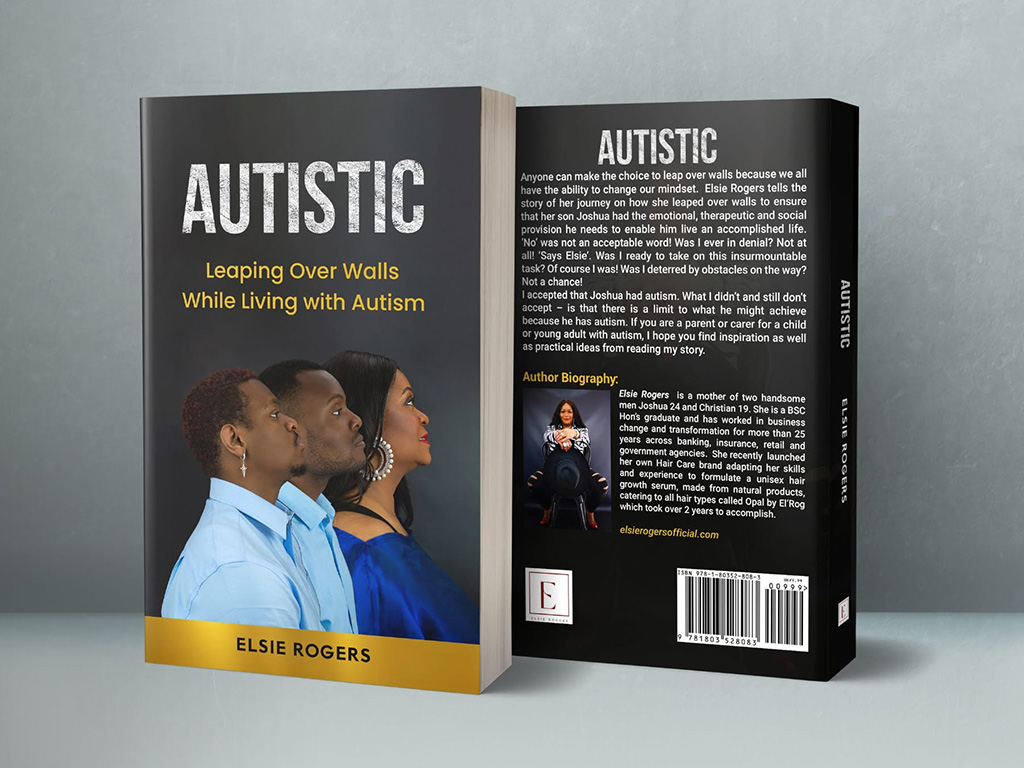
📘 Autistic: Leaping Over Walls Whilst Living with Autism Grab a copy
🎓 Parenting Autistic Children with Purpose – Elsie Rogers— a coaching space for clarity, courage, and culturally safe support. Click here for more
