

When Joshua was younger and we lived in Wimbledon, Merton Mencap played a huge role in his growth. Through their weekday and weekend programmes, Joshua learned to socialise, enjoy art, play basketball, and connect with others in a safe and understanding environment. Those experiences nurtured his confidence, supported his mental health, and gave us as a family, much-needed respite.
One of the most memorable highlights was when Joshua joined The Squad – Merton’s youth group for young people with learning disabilities and autism. They organised weekend adventures and outdoor activities that encouraged independence, teamwork, and self-belief. This photo captures one of those moments — Joshua taking part in a high-rope challenge, stepping out of his comfort zone with the support and encouragement of his mentors.

That single image says so much: courage, trust, and the power of inclusion. These kind of opportunities transform not only confidence but also mental well-being. They prove what’s possible when young people are empowered, not underestimated. That’s why the recent call by @thurrockjen MP and Mencap’s Chief Executive Officer, Jon Sparkes OBE, for a roadmap for change struck a deep chord with me.
Today, over 2,000 people with learning disabilities and autistic people remain detained in mental health hospitals — not because they require psychiatric treatment, but because there isn’t the right housing, care, and community support available.
This is more than a policy issue — it’s a mental health and human rights crisis. For many families, the pain of seeing a loved one trapped in unsuitable settings is immense. It impacts not only those individuals but the mental health of entire families fighting for dignity and inclusion.
As Jon Sparkes shared, “Many are there, not because they need inpatient mental health treatment but because there isn’t the right care and housing in the community.”
Through campaigns like #HomesNotHospitals and the #MentalHealthBill, Mencap continues to push for real systemic change — one that bridges the gap between social care and mental health. Reform must be shaped with the voices of those with lived experience, ensuring that care feels like home, not confinement.
For families like mine, this isn’t an abstract policy debate — it’s personal.
It’s about ensuring that every autistic and learning-disabled person can live, learn, and thrive in their community — safely, joyfully, and freely.
True mental health reform means dignity.
It means home, not hospital.
And it means a society that finally sees ability, not disability.
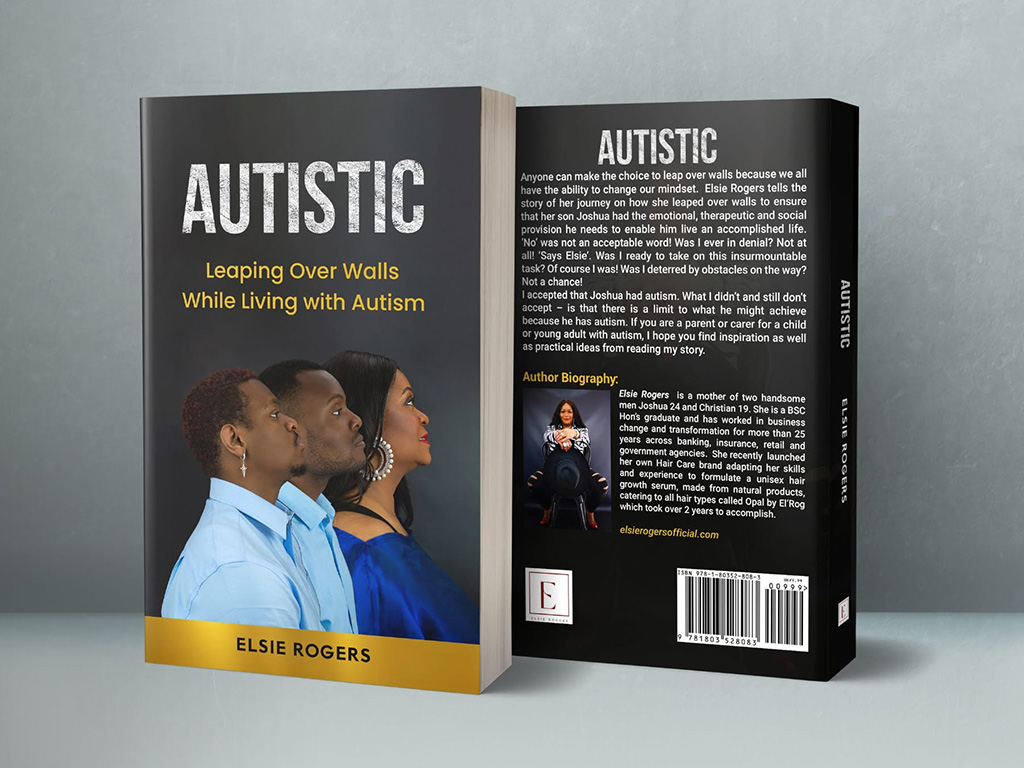
 Autistic: Leaping Over Walls Whilst Living with Autism Grab a copy
 Parenting Autistic Children with Purpose – Elsie Rogers — a coaching space for clarity, courage, and culturally safe support. Click here for more
