

On 21 October 2025, the story broke that Tom Boyd — a 28-year-old autistic man — had volunteered over 600 hours at Waitrose in Cheadle Hulme. When his family asked for him to be considered for paid employment, his placement was suddenly withdrawn. By 23 October, the story changed; Asda stepped in, offering Tom two paid five-hour shifts per week — recognising his worth and potential.
Why This Matters
“You’ve watched your autistic child grow into an adult with so much potential — yet the world still refuses to pay them their worth 💔 It must translate into real jobs.” This is more than one supermarket’s decision. It reflects how autistic adults are still viewed in the workplace — often as volunteers, rarely as valued employees.
As I wrote on page 104 of my book, Autistic: Leaping Over Walls While Living with Autism, “Fewer than two out of ten autistic people ever do paid work.” That statistic alone should stop us in our tracks. I also wrote about this in my article (2 May 2025), following Autism Acceptance Month — calling for authentic inclusion and opportunities that recognise real skills and lived potential.
Through A2ndvoice CIC, our conversations with autistic adults — especially during our February round-tables — reveal a clear truth: Many who declare autism on job applications do so hoping for understanding and adjustments, not rejection. Yet too often, honesty still leads to exclusion.
My Broader Perspective
When I recorded my podcast with Adecco on Engagement and Inclusion, we explored what genuine workplace equity looks like — not just policies, but daily practice. Over the years, I’ve observed how some employers quietly avoid hiring autistic or neurodivergent candidates because they assume it will take too much effort to train or support them. That assumption is both inaccurate and costly — it locks out creativity, focus, and innovation. The truth is, inclusion is not about extra effort — it’s about rethinking systems so every kind of mind can thrive.
What I Stand For
Inclusion must move beyond branding and awareness campaigns — it must be paid, practical, and purposeful.
That’s why I’ve made it part of my work and brand. With my son, Joshua Benjamin-Oruche, I’ve supported his artistic and musical gifts to become visible contributions. Joshua has also featured in modelling campaigns for my lifestyle and hair-beauty brand El’Rog, showing that inclusion can be aspirational, visible, and economically meaningful. And with Chris Israel, I offered a paid day-rate role within our campaign — because inclusion without pay is not equality. We model inclusion by offering opportunities, valuing contributions, and ensuring fair compensation.
Policy, Justice & Visibility
The Robert Buckland Report on autistic employment called for urgent reform and better pathways into work.
But Tom’s case shows we’re still lagging behind in practice. It shouldn’t take headline news for justice to happen. True change happens in recruitment meetings, in HR policies, and in companies that say, “You’re hired because you add value — not because you fit a mould.”
A Shout-Out and a Challenge
👏🏽 To Tom’s mum — for your courage and persistence.
👏🏽 To Tom — for your quiet dignity and determination to work.
👏🏽 To Asda — for turning awareness into action.
But let’s not stop here. Let’s create a culture where paid, supported employment for autistic adults is not a miracle headline — it’s the norm.
My Pledge
Through my platforms — El’Rog Ltd, Autism Leap & Thrive CIC, and elsierogersofficial.com — I’ll continue to:
- ✅ Advocate for paid inclusion over tokenism
- ✅ Provide creative and employment pathways for autistic adults
- ✅ Challenge organisations to view neurodiversity as strength
Because awareness without action changes nothing!
Let’s turn compassion into contracts — and headlines into hires!
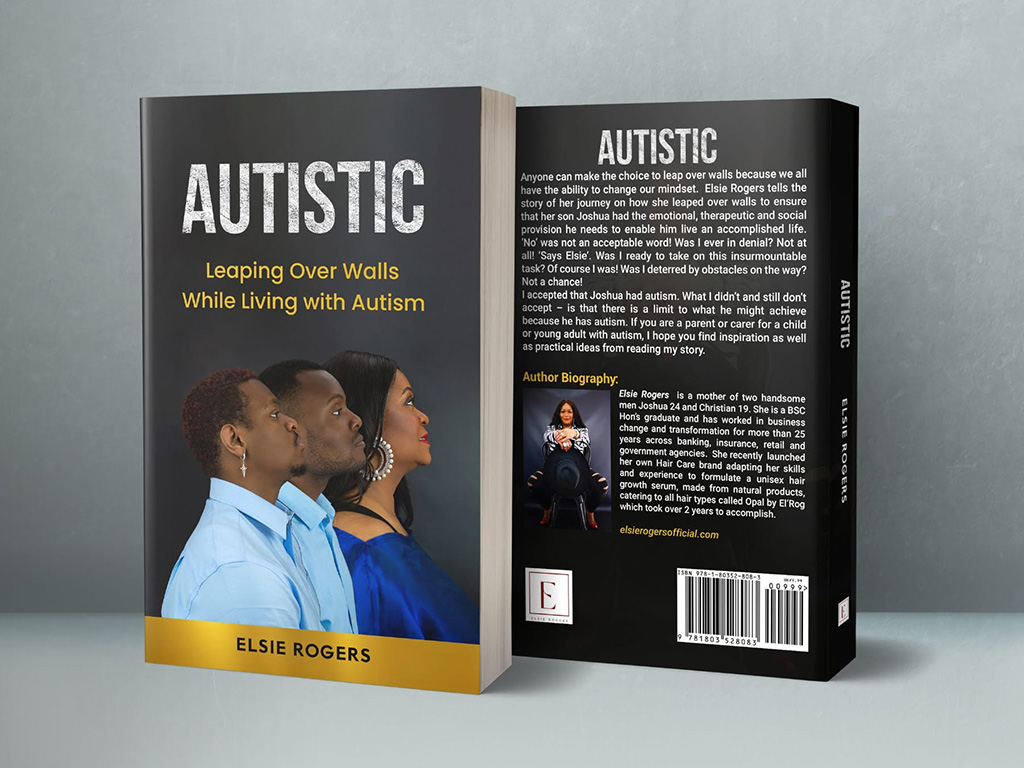
 Autistic: Leaping Over Walls Whilst Living with Autism Grab a copy
 Parenting Autistic Children with Purpose – Elsie Rogers — a coaching space for clarity, courage, and culturally safe support. Click here for more
